
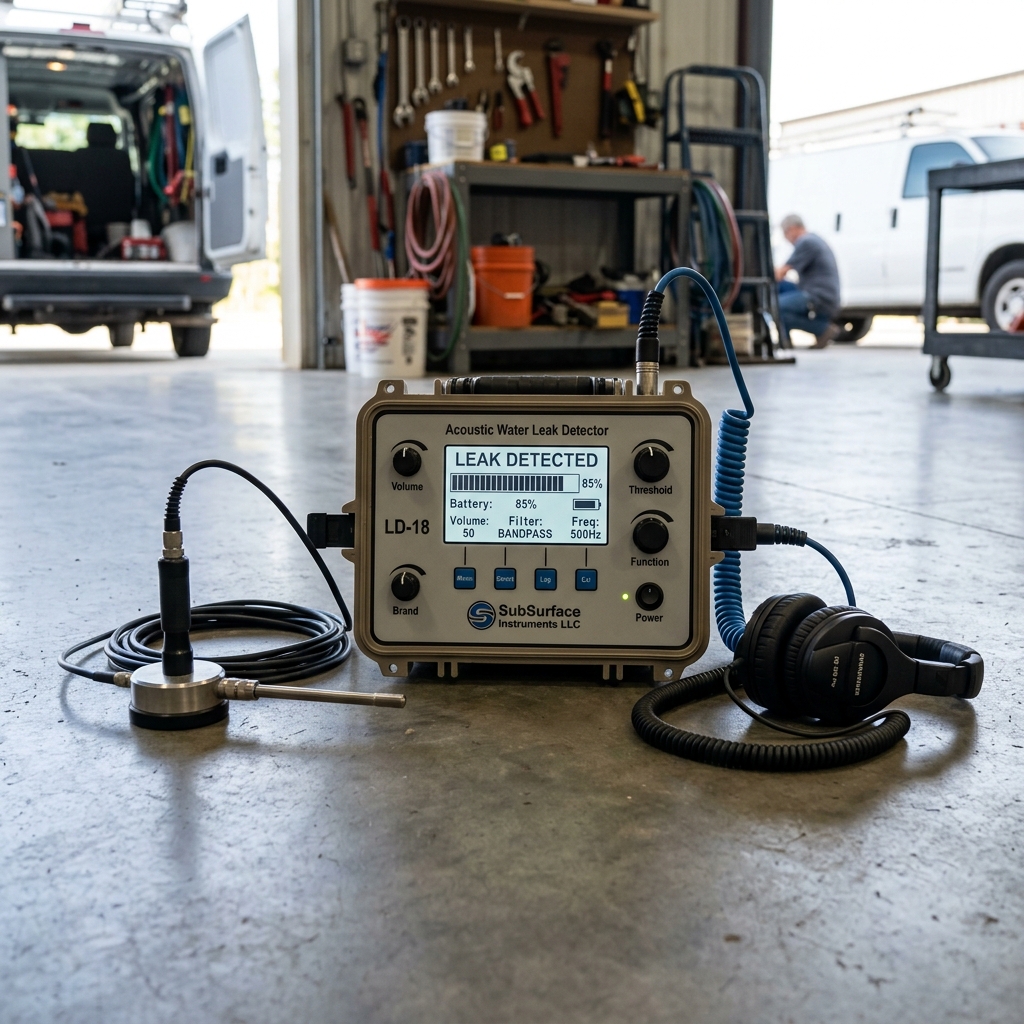
Under-Slab Cast Iron Drain Failures in Older Georgetown Neighborhoods
While fresh water supply slab leaks cause immediate pressurized flooding, under-slab sanitary sewer leaks are often more deceptive. In older Georgetown neighborhoods—especially properties near Southwestern University, Old Town Georgetown, and mid-century builds across Williamson County—sanitary drainage networks were constructed from heavy cast iron pipes.
Decades of exposure to household wastewater containing acidic soaps and sewer gases trigger internal channeling corrosion. The bottom channel of the cast iron pipe literally rusts away, allowing raw wastewater to discharge directly into the subgrade soil underneath your foundation slab. This wastewater washes away support soil, creates underground voids, and causes catastrophic foundation settlement. If you are experiencing foundation moisture issues, explore our primary slab leak repair in Georgetown services.
Warning Signs of Failing Under-Slab Cast Iron Drains
Frequent Recurring Drain Clogs
Toilets or main shower drains continually back up despite mechanical snaking because jagged internal rust flakes snag paper and solids.
Persistent Sewer Gas Odors
Musty or rotten sulfur smells wafting through bathrooms or closets indicate sewer gases escaping through cracked pipe crowns under the slab.
Gurgling Plumbing Fixtures
Showers or kitchen sinks burping air bubbles when a toilet is flushed signify severe venting blockages or collapsed under-slab sewer runs.
Floor Cracks & Insect Infestations
Sewage saturating subgrade soil attracts sewer gnats, fruit flies, and causes expansive clay soils to heaving irregularly against the slab.
Suspecting a Collapsed Sewer Pipe Under Your Foundation?
Book a precision high-definition sewer camera inspection to visualize the interior condition of your under-slab drains.
Camera Inspection and Hydrostatic Testing
Diagnosing under-slab sanitary drainage lines requires specialized camera and pressure testing equipment:
- High-Definition Sewer Camera Scans: A self-leveling color optical camera with a built-in 512Hz sonde transmitter is inserted through your exterior cleanout, recording real-time footage of cracks, root intrusion, and bottom channel deterioration.
- Hydrostatic Drain Testing: Technicians insert an inflatable test ball into the cleanout and fill the drainage network with water to slab level. If the water column recedes, a leak beneath the slab is mathematically confirmed.
Understanding whether your problem is an under-slab drain leak or a pressurized supply line is crucial. Review our guide to slab leak detection or see how water leak detection pinpoints other concealed water intrusions.
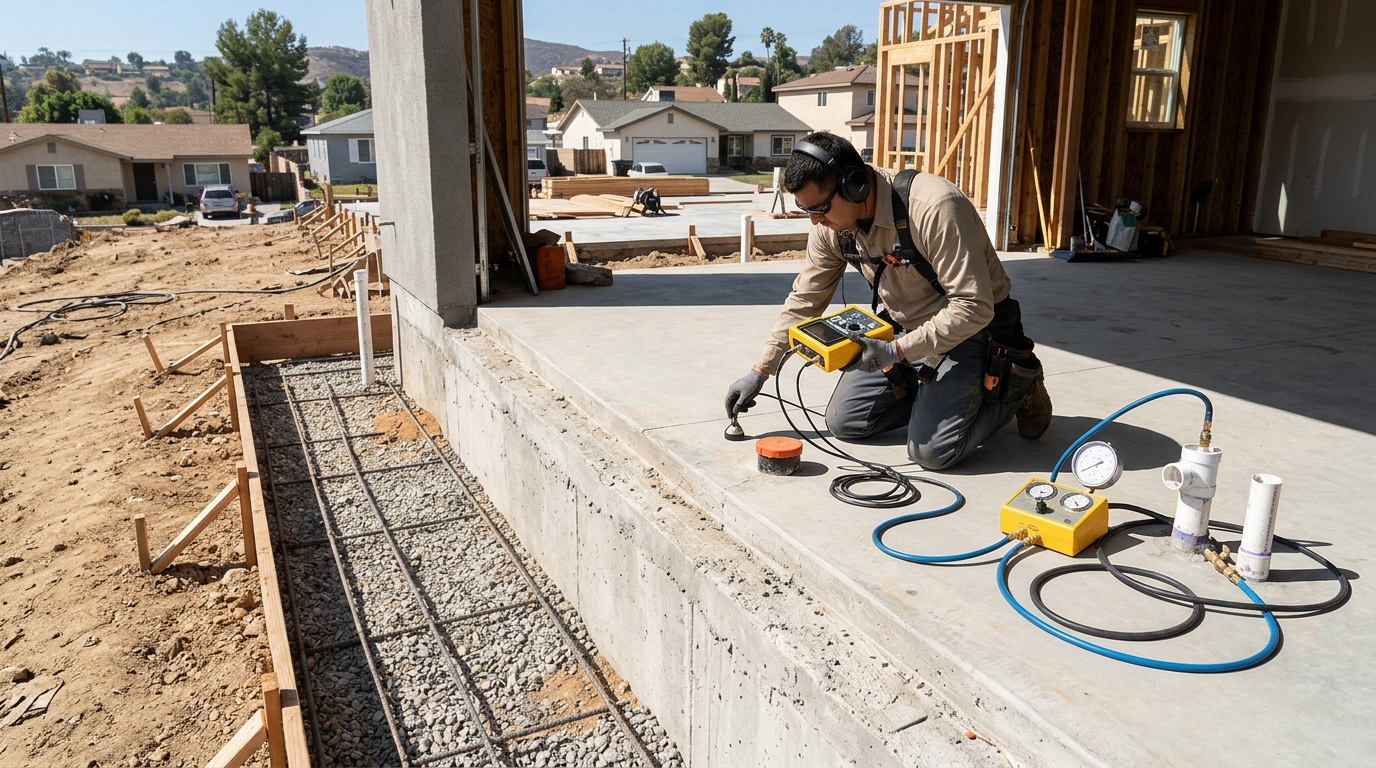
Replacement Methods: Sub-Slab Tunneling vs. Trenching
When cast iron pipes have deteriorated past the point of repair, homeowners have two primary methods for replacing them with durable Schedule 40 PVC:
- Under-Slab Tunneling (Non-Invasive to Interior): Excavation specialists hand-dig an engineered tunnel beneath the foundation from the exterior yard, accessing the entire sewer line from below. Technicians remove rotting cast iron and hang new PVC pipe with heavy-duty stainless steel hangers without breaking a single interior tile or hardwood plank.
- Interior Concrete Trenching: Technicians cut and jackhammer concrete trenches directly through interior floors to lay new PVC drainage lines. While feasible during major home renovations, it requires removing furniture, living off-site, and reinstalling all flooring finishes.
- Cured-in-Place Pipe Lining (CIPP): In select cases where the outer cast iron pipe host structure remains intact without collapses, an epoxy-saturated felt liner can be inverted into the pipe, curing into a seamless composite pipe within the old line.
Schedule Cast Iron Pipe Diagnostics in Georgetown
Protect your home foundation from sewage erosion. Serving Sun City, Old Town Georgetown, Wolf Ranch, Berry Creek, and nearby areas.